
Ankle Fracture Recovery Essentials
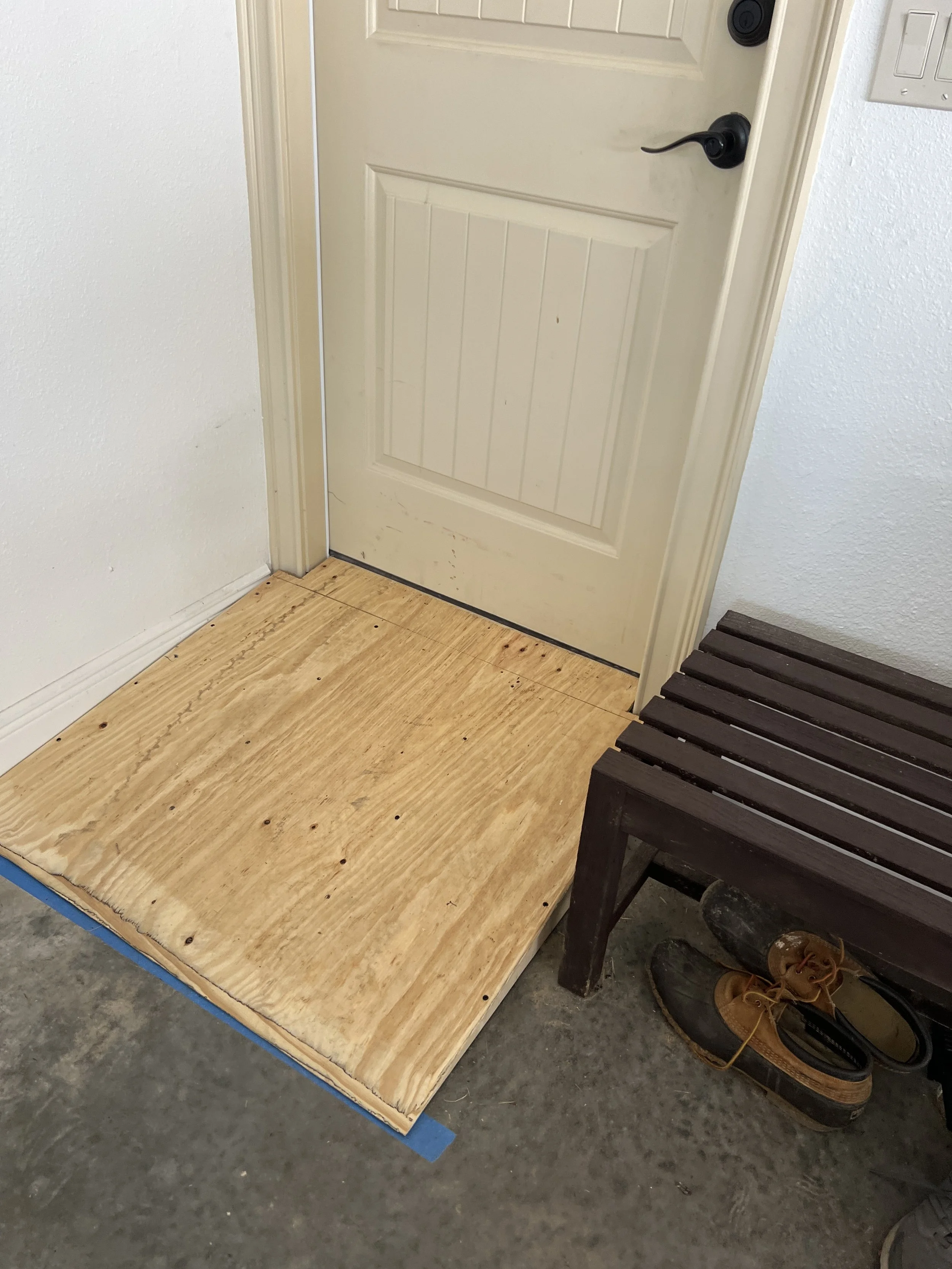
A friend built this ramp from my garage into my house after my ankle surgery, as the smallest step was a deal breaker.
Money can’t buy happiness, but it can buy a shower chair, which is pretty close.
Necessity is the mother of invention. A broken ankle is the mother of Amazon orders.
NOBODY TOLD ME...
That I was going to break my ankle in two spots, and rupture my tendon while I was at it. If they had, I would have prepared by stocking up on these essentials. As it was, I was scrambling to find ways to function around the house.
Nevertheless, by the time my surgery rolled around two weeks later, I was starting to figure out what I needed.
If you know you’re having surgery and can prepare ahead of time, you can check out these suggestions and see what fits for you. Or, if like me, your one-leggedness was an unhappy surprise, think of this as a crash course (wait, that’s a bad choice of words!) for what you’re going to need.
At a Glance:
Before we dive in, here’s your basic shopping list. Read on to discover more details.
· Shower chair
· Cast/boot cover
· Elevation pillow
· Ice packs
· Mobility aid
· Grabber
· Bed tray/portable table
· Backpack or crossbody bag
· Grab bars/ramp, if needed
· Loose, Comfortable Clothing
More Details
Having the right recovery aids at home can help you stay comfortable, reduce stress, and prevent accidents. Here’s a list of useful items that many people find helpful after ankle surgery.
Shower Chair
Why it helps:
Balancing on one foot in a slippery shower can be dangerous. And that’s the understatement of the century. A shower chair provides stability and allows you to bathe safely while seated.
Benefits:
Reduces risk of falls.
Makes showering less exhausting.
Often height-adjustable to fit different tubs and showers.
A non-slip bath mat can add another layer of safety.
MY TAKE ON IT
You need this if you’re not weight bearing. Period.
Cast or Boot Cover for the Shower
Why it helps:
Keeping your cast or surgical boot dry is essential to prevent infection or skin irritation. Waterproof covers are designed to seal tightly around your leg.
Benefits:
Protects your cast or boot from water damage.
Easy to slip on and off.
Reusable for daily showers.
WORTH KNOWING
In a pinch, two layers of trash bags secured at the top with an ace bandage work. (Don’t ask me how I know this.)
Wedge Elevation Pillow
Why it helps:
Elevating your leg helps reduce swelling and pain. A wedge pillow, like the KingPavonini Adjustable Leg Elevation Pillow, positions your ankle above your heart for optimal recovery.
Benefits:
Reduces swelling and improves circulation.
More comfortable and stable than stacking regular pillows.
Keeps the leg supported during sleep or rest.
FROM THE TRENCHES
This is an unattractive but inexpensive, extremely helpful item that I used daily after both my ORIF surgery and my ankle hardware removal surgery. Plus, my cat liked it.
Ice Packs
Why they help:
Cold therapy reduces inflammation and numbs pain after surgery. Having multiple ice packs on hand allows you to rotate them throughout the day.
Benefits:
Helps manage swelling.
Provides non-drug pain relief.
Reusable packs can be stored in the freezer for convenience.
MY TAKE ON IT
A cheap must-have. If you’re in a cast, put the ice pack behind your knee.
Heat Pad (Later in Recovery)
Why it helps:
After the initial healing phase, some doctors recommend heat to relax stiff muscles or soothe joint discomfort.
Benefits:
Increases blood flow to sore muscles.
May relieve stiffness during physical therapy.
Cautions:
Don’t use heat directly on the surgical site without your doctor’s approval.
MY TAKE ON IT
Another cheap must-have.
Mobility Aids
Why they help:
You’ll need a safe way to move around while staying off your healing ankle. Options include crutches, knee scooters, walkers, or hands-free crutch devices.
Benefits:
Provide independence during recovery.
Adaptable to different living situations.
For a detailed comparison, check out our full article on Mobility Tools After Ankle Surgery
Grab Bars and Home Modifications
Why they help:
Adding grab bars in the bathroom, near the toilet, or by entryways gives you extra stability while moving around. Small ramps can make it easier to get in and out of the house if stairs are a barrier.
Benefits:
Reduce the risk of slips and falls.
Provide peace of mind when navigating tricky spots.
Ramps help if you’re using a knee scooter, wheelchair or walker.
MY TAKE ON IT
A friend installed a small ramp for me from the garage into the laundry room, which was invaluable to me while non-weightbearing. The smallest step was lethal with only one leg.
Other Helpful Items
Reacher/Grabber Tool: Allows you to pick up items without bending or risking balance.
Portable Table or Bed Tray: Keeps snacks, medications, and water within easy reach.
Loose, Comfortable Clothing: Wide-leg pants or shorts make it easier to dress over a cast or boot.
Backpack or Crossbody Bag: Helpful for carrying items while using crutches or a scooter.